11 Signals That AI Interaction Design Is Changing
Understand the future of the UX of AI with examples from today
Reading time: 10 minutes
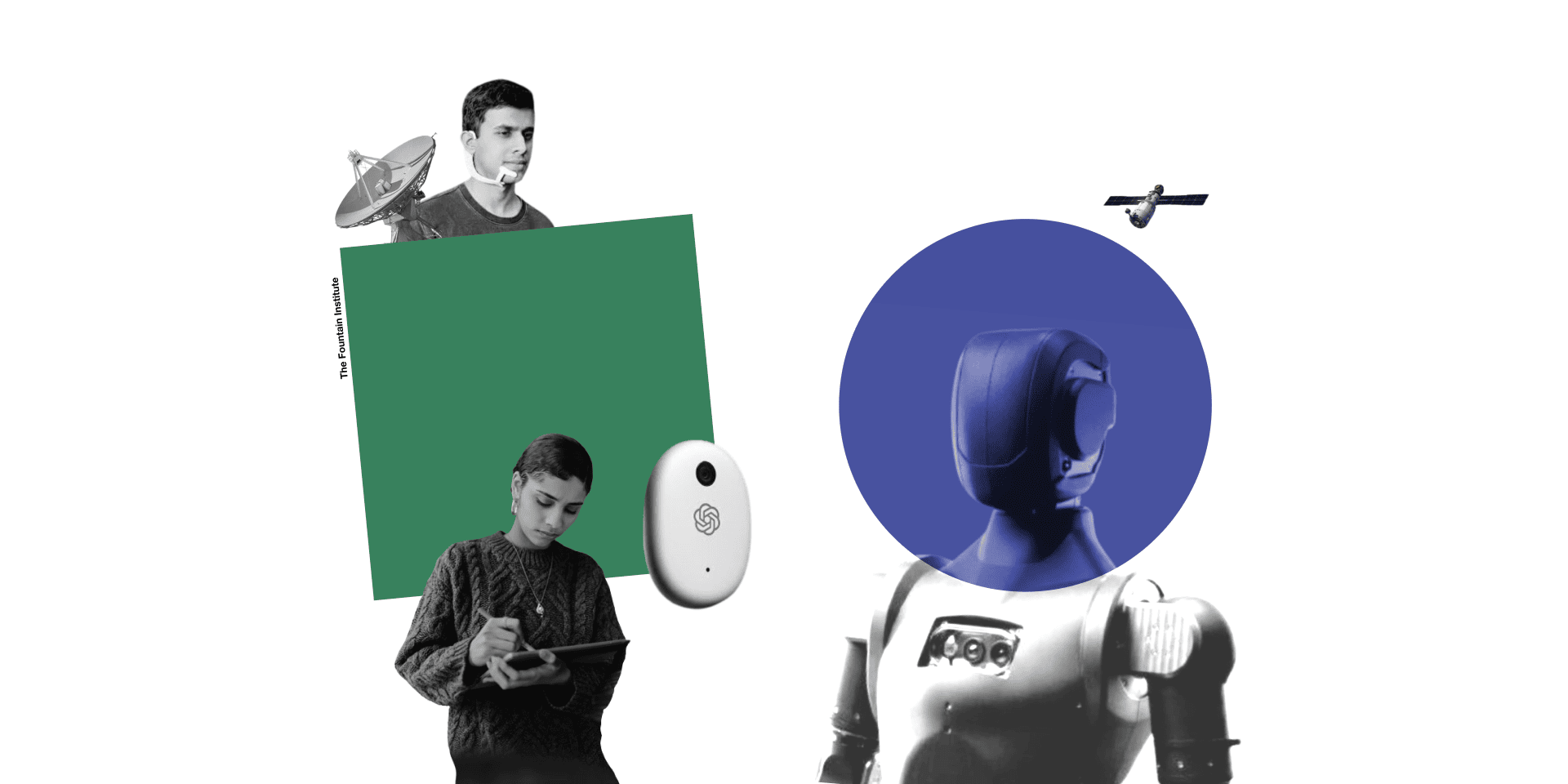
The chat box is not the end state of human-AI interaction. It's just where we started, and if you look closely at what's being built right now, you can already see the shape of what comes next.
Over the past two years, I've been watching the AI product landscape for something more useful than trend reports: specific, observable signals.
What is a signal?
"A signal is a surprising, eye-opening example of a small, local change that disrupts the status quo and points to how the future might be very different from the present." — Institute for the Future
Some signals are products you can buy today. Some are still concepts. One of them will interact with you while you sleep. All of them are worth understanding if you design digital experiences for a living.
#AmbientWearables
Signal 01: Meta is winning the AI wearables game with smart Ray-Bans

from Meta
Meta has sold over 2 million AI-powered smart glasses, and the reason is almost embarrassingly simple: they look normal. Unlike the Humane AI Pin, they don't announce themselves or ask you to change your habits. They just work, attached to a face, doing AI things quietly.

The momentum keeps building, too. An Oakley collaboration is done, smart glasses from Prada are in the works, and Meta even acquired a minority stake in EssilorLuxottica, the largest eyewear group on earth, with a target of 10 million smart glasses sold by 2026.
My Take: The Humane AI Pin failed because it asked too much of the user: learn new gestures, accept the stares, trust the tiny projector. Meta asked almost nothing. You put on your glasses, talk occasionally, and the AI is just there. Fashion-forward design + low cognitive load + an existing accessory habit is a remarkably powerful adoption formula, and it's worth understanding before you design your next AI-powered feature.
#Privacy #Sovereignty
Signal 02: The “Doom Box,” an off-grid and offline AI cyber deck for the apocalypse

from LandStruck

from LandStruck
DIY forums are quietly filling up with hand-built AI devices hacked from Raspberry Pi. The Doom Box is the standout: an offline AI computer housed in a Faraday cage for around $720, designed to survive an EMP pulse and sold to survivalists and off-gridders as a way to access the usefulness of the internet without needing the internet.
Builders like OffGridSean are posting full build guides for offline AI systems powered by local or self-hosted LLMs using downloaded AI models in Ollama, where all processing happens on-device rather than connecting to the corporate cloud.
My Take: This offline, on-device approach stands in stark contrast to using ChatGPT on your laptop, where all of your data goes to OpenAI. The hobbyists have real privacy concerns that corporate behemoths like OpenAI and Microsoft will struggle to overcome, and they may well lose to a $720 box in a Faraday cage. On-device AI is clearly the future, but designing for offline-first is the harder, more interesting problem that nobody has really solved yet.
#MemoryAugmentation
Signal 03: AI wearable startups that give users “infinite memory”
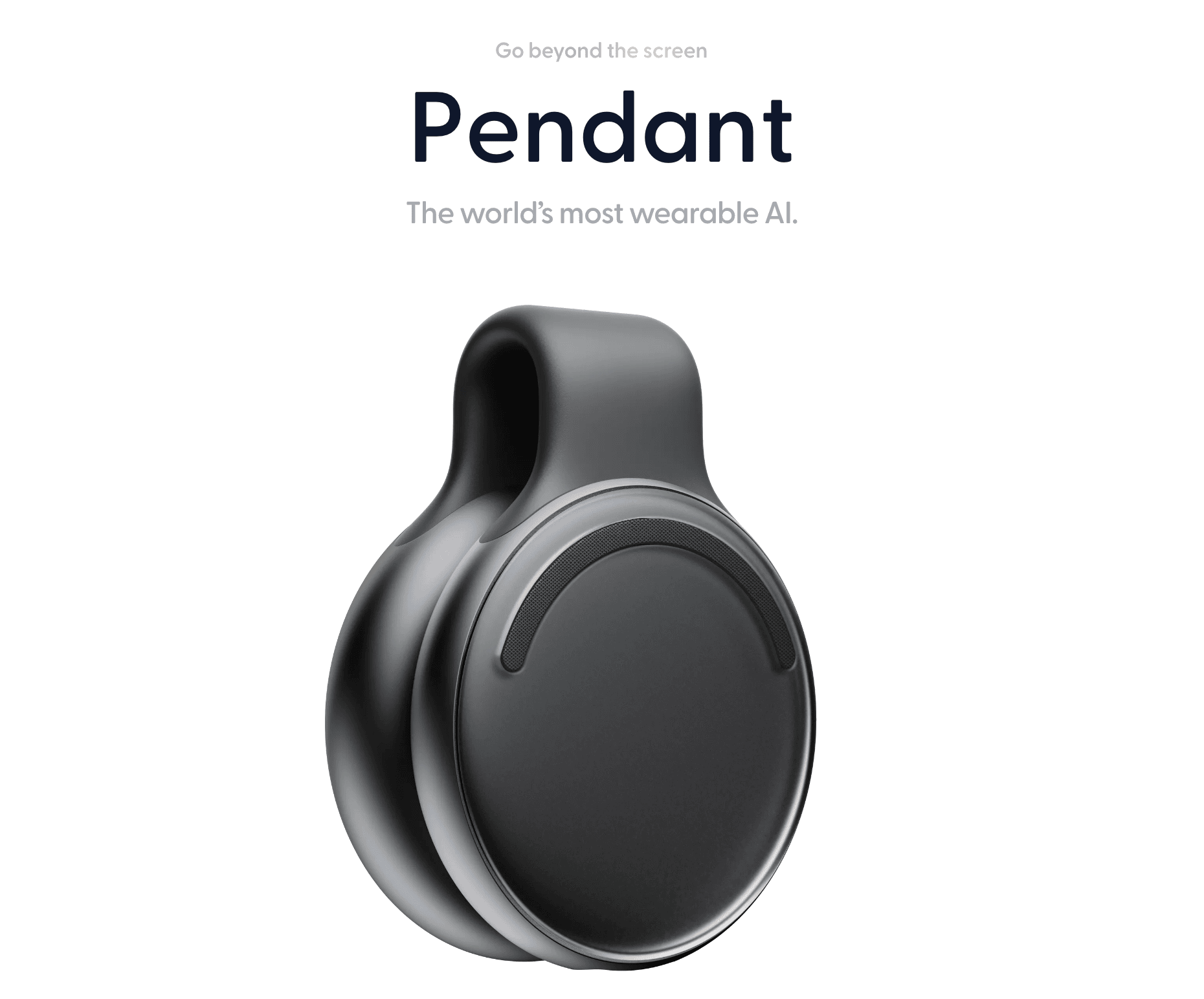
from Limitless
Multiple startups, including Limitless, Bee, and Plaud, sell always-on recording devices that promise to give you a perfect memory. These pendants, earbuds, or wrist-worn recorders use AI to transcribe and organize everything you say or hear, creating a searchable, personal memory layer. The product type is so promising that Meta has already acquired Limitless.
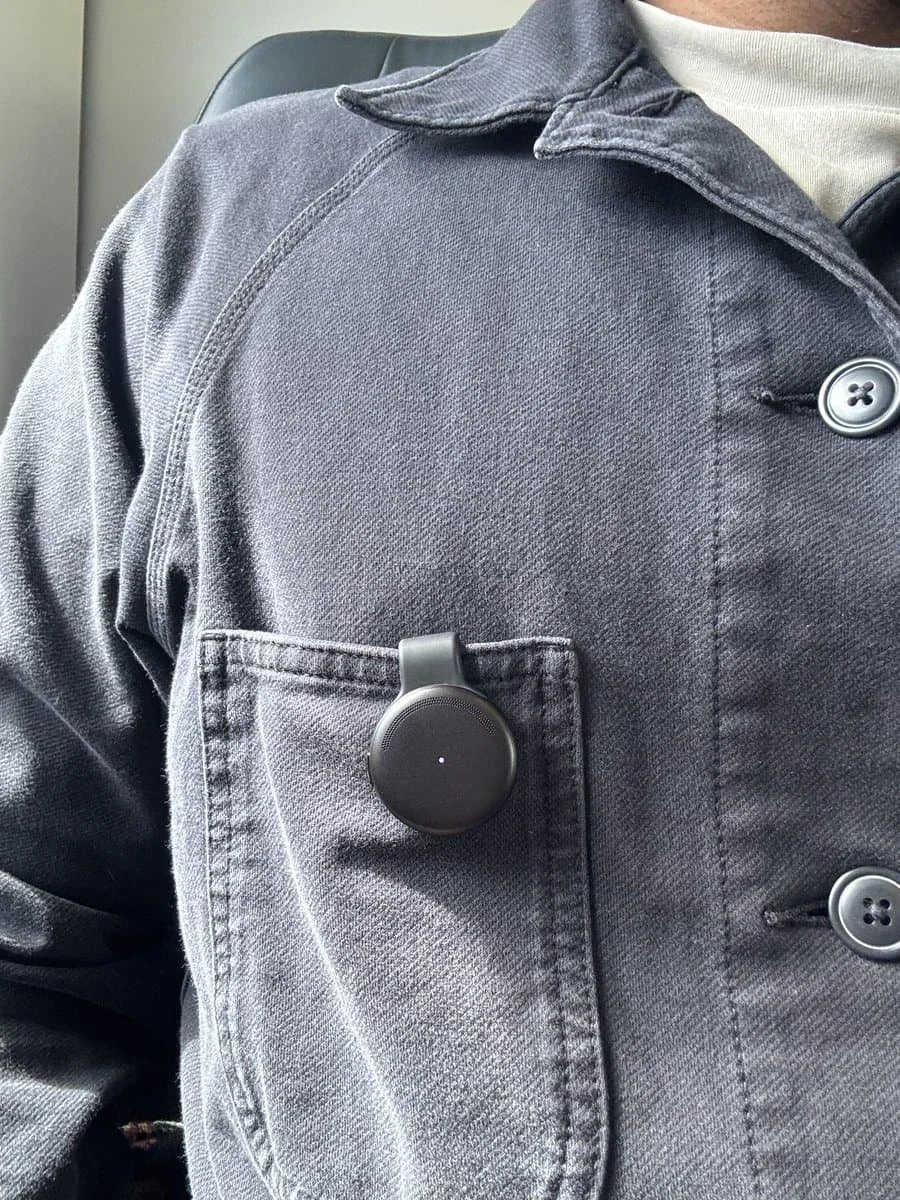
from Limitless
These AI-powered audio wearables are relatively affordable (around $200 for the Limitless pendant) and come with subscription fees to help you make sense of your growing database of recordings, with AI handling search, filtering, and surfacing what matters.
My Take: The user promise here is huge: "never forget what happened" and Meta’s acquisition of Limitless is a clear sign of the potential market. Just as huge are the ethical and societal implications of normalizing ambient recording. I listened to a podcast recently where a devoted user claimed it helped him resolve fights with his girlfriend because he could go back and listen to what was actually said. The design challenge here isn't really technical; it's consent, trust, and the creeping unease of a world where every conversation might be evidence.
#AmbientHealth
Signal 04: This AI mirror could track your weight, blood pressure, and sleep

from Withings
The Withings OMNIA AI smart mirror blends into your bathroom while tracking posture, heart rate, and more. It's passive, ambient, and, if you're wired a certain way, genuinely comforting. A growing class of AI-integrated health devices promises to passively observe and optimize your physical state, monitoring posture, expressions, and cardiovascular markers, all while disappearing into your environment.
Until now, health wearables have mostly focused on sensors, but this device pitches the concept of an AI-powered interface layer for all your health sensors. In the future, this mirror could turn your bathroom into a fully-equipped medical center for AI diagnostics and telemedicine appointments.
My Take: This product is currently only a concept design, but it got a ton of positive press that will help it get built for real, and it shows that AI products don't even have to exist to be tested with the public. Elon Musk did something similar with his AI robot debut: show the vision, gauge the appetite, then build if the market responds. AI hardware is at a risky stage, so expect to see a lot more concept debuts as companies test the waters of future AI experiences before committing to production.
#PostScreenInterfaces
Signal 05: Sam Altman and Jony Ive's $6.5B bet on ambient AI hardware
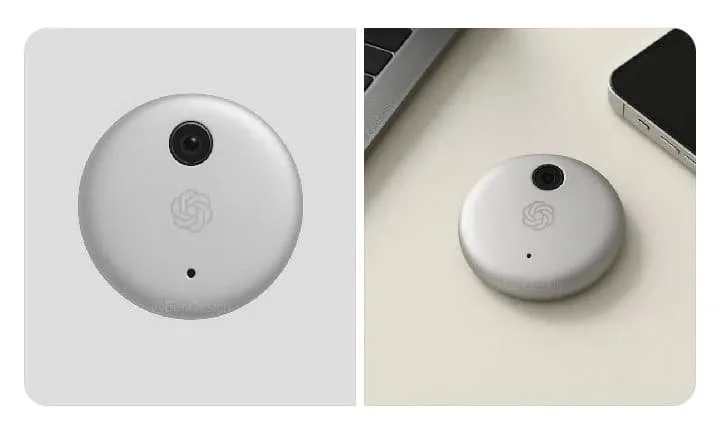
from Wall Street Journal
Sam Altman and Jony Ive are working on a $6.5 billion ambient AI device with no screen, just presence. It's the anti-iPhone, and it could reshape how we think about smart homes and ambient computing. The details are still vague, but the ambition is clear: make an AI wearable that will be as transformative as the original iPhone.

from OpenAI
They've made clear the device won't compete with your laptop or phone, and Altman has called it "the biggest thing we've ever done as a company," hinting the device might add up to $1 trillion in revenue for OpenAI, with an ambitious plan to ship 100 million units faster than any company ever has.
My Take: This is most definitely a play for proprietary data by OpenAI. But the product strategy of "ambience" has a lot of potential in a world where everyone has screen fatigue, and every company is yelling about their stapled-on AI features. Jony Ive has a real knack for turning nerdy tech into enviable icons of fashion, and I think this lines up with a trend I keep noticing in digital interfaces: AI works best when it's hidden and just works. Also, there is absolutely no way they're hitting 100 million units this decade.
#MultiModalInput
Signal 06: Google built an AI-enabled mouse pointer
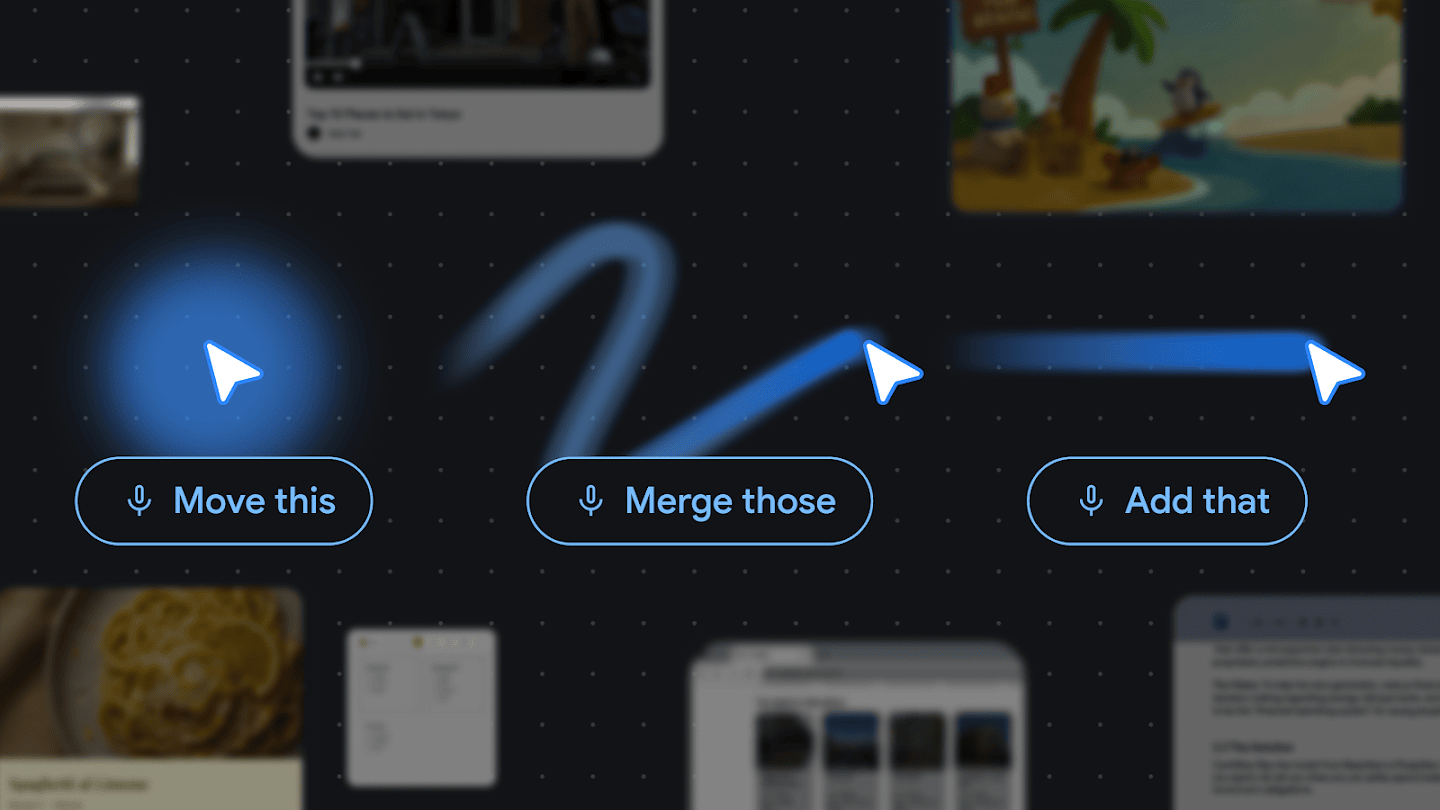
from Google DeepMind
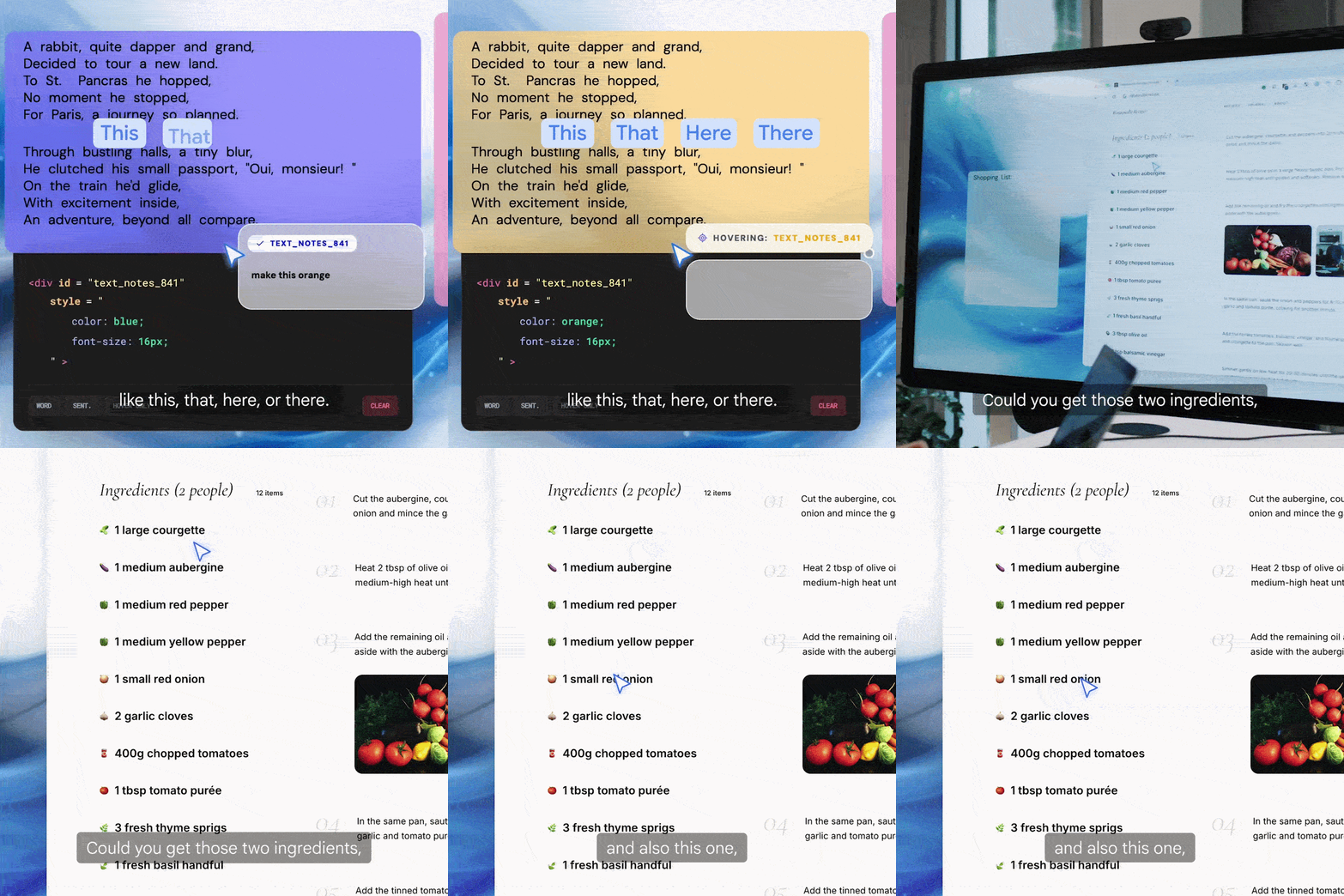
from Google DeepMind’s X announcement
The Google DeepMind team built a prototype that pairs voice with the mouse cursor to have AI do things on a computer. Rather than typing a prompt to describe what you want, you point at the thing you mean and speak, and the AI acts on exactly what you're pointing at.
It's a deceptively simple idea that collapses the gap between intention and action that text-based prompting forces you to bridge with words, and I think it'll catch on once it's established.
My Take: Clicking takes less cognitive load than typing, so I expect this interaction pattern to spread quickly once it's established. Voice hesitation in open offices is a real barrier, but that's a context problem rather than a model problem. This is also basically how every Art Director has always worked, except it no longer requires junior designers who weren't allowed to argue back.
#Persona #Roleplay
Signal 07: AI Jesus is the new confessional booth

from JustLikeMe
JustLikeMe lets users talk to their Lord and Savior for $2 per minute, meaning that for around $2,000 you can have Jesus piped into your AirPods all day and really let the Holy Spirit guide you. Santa is also available on the site, in case your goals are more seasonal.
The UX of AI Jesus is already diverging: the paid one from JustLikeMe feels like a FaceTime conversation, and the AI Jesus Live version feels more like a scene from Grand Theft Auto.

from AI Jesus Live
The fusion of religion and AI was probably inevitable. What's worth noting here isn't the absurdity; it's the user need underneath it. People are turning to AI for things that used to require a priest, a therapist, or a trusted friend who actually picked up the phone.
My Take: Strip away the branding and what you have is a relationship with a persona, maintained over time and built on accumulated context. That's not so different from what the best AI products are already doing, and I wouldn't be surprised to see a genuine AI-native religion emerge within a few years. The ethics of that are a long conversation. The interaction design implications are worth starting to think about now.
#ContextualAI
Signal 08: AI in your browser reacts to what you're seeing on the internet
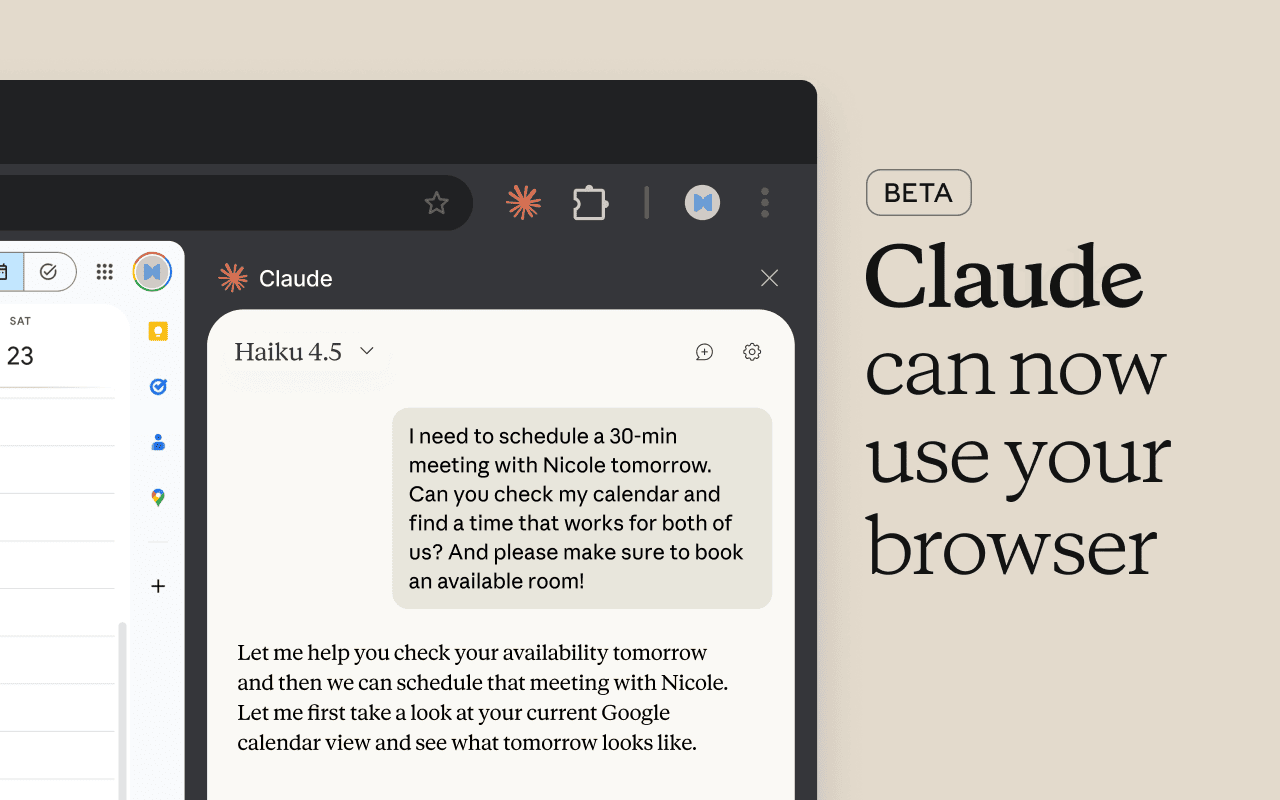
from Anthropic
Anthropic's Claude in Chrome lets you highlight anything on a webpage and ask AI questions directly about it, without screenshotting, copying text, or switching to a new tab. The context is already there. The prompt is the page you're already on.
It's a small change in workflow, but it marks a clear directional shift: the AI prompt box is moving from a separate destination you navigate to, into an invisible layer on top of everything else.
My Take: A lot of the innovation in human-to-AI interactions over the next two years will be about shortening the time-to-answer, and triggering an AI prompt in-screen is how they're doing it today. Every bit of friction you remove makes users choose you over the competition. The question every product designer should be asking is: where in your product does a user currently have to leave to get an answer? That gap is your opportunity.
#SilentInput
Signal 09: AlterEgo gives you inaudible voice commands for your AI
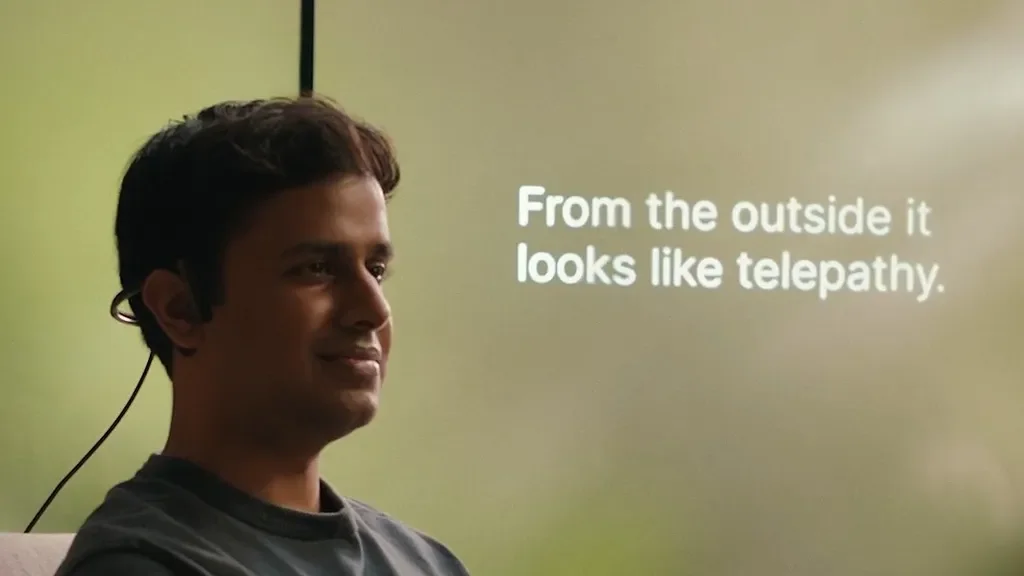
from AlterEgo
AlterEgo is in the final stages of perfecting a voice input device that lets you talk to a machine in a way that no human can hear. The device captures subvocalizations, the tiny neuromuscular signals your throat produces when you silently speak, and translates them into AI commands.

an earlier prototype from AlterEgo
This device might finally make open floor plans tolerable, since you can chat all day with your AI, and nobody sitting next to you will have any idea.
My Take: I think this kind of tech will become the go-to input device for a specific niche of tech workers, probably the same folks already using bone conduction headphones and with strong opinions about mechanical keyboards. What it signals more broadly is that the real friction of voice input isn't about the voice itself; it's about the social performance of talking to a machine in public. AlterEgo removes the performance entirely, and that's a fresh design insight.
#PersonalRobotics
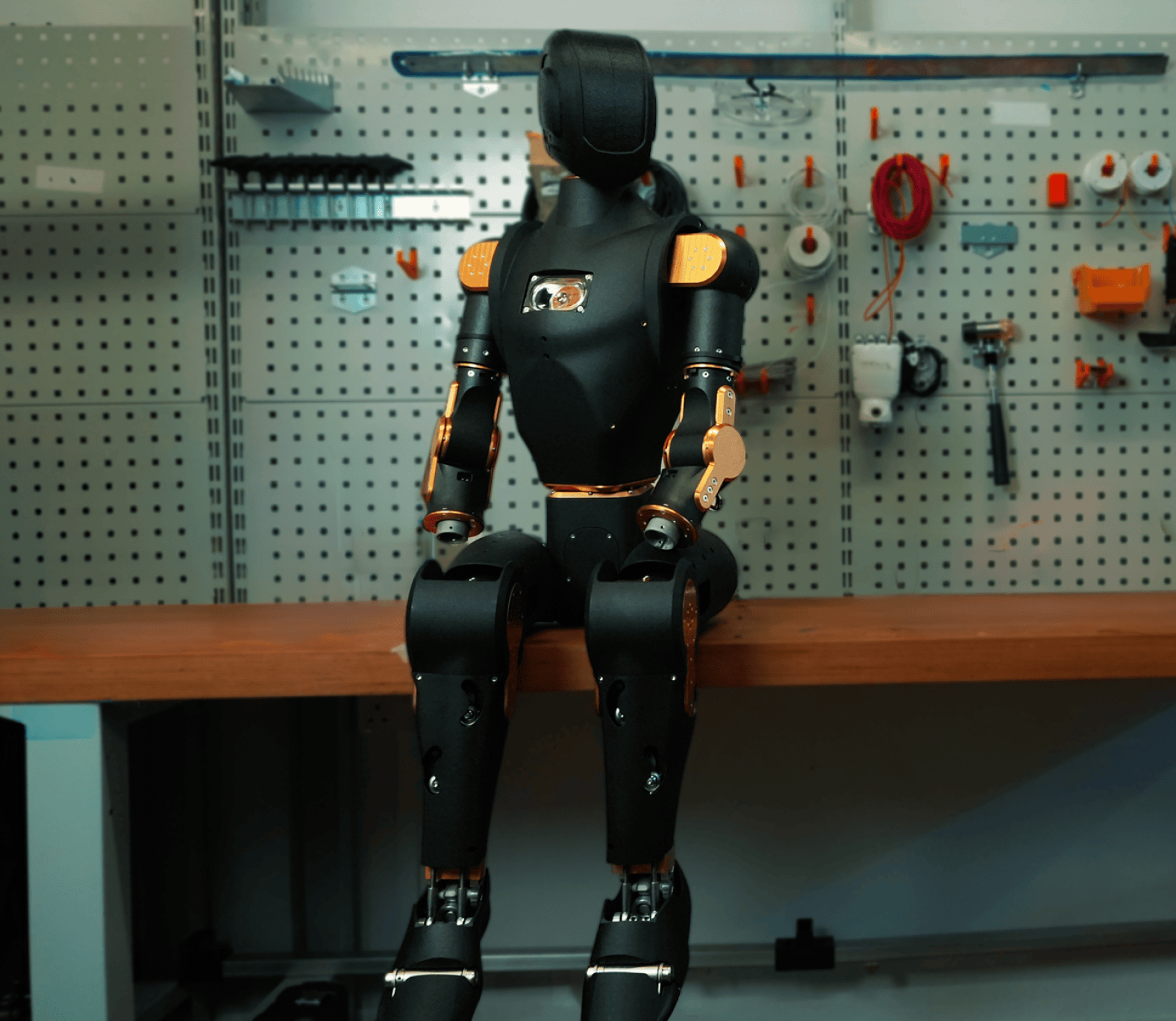
Signal 10: Asimov, the open-source AI robot, launches for $15,000
from Asimov
Asimov is a small open-source robot set to launch at the end of summer 2026, and it looks adorable. At $15,000, it signals a serious shift away from hyper-expensive robotics and toward hardware that hobbyists and small studios can actually afford and modify.
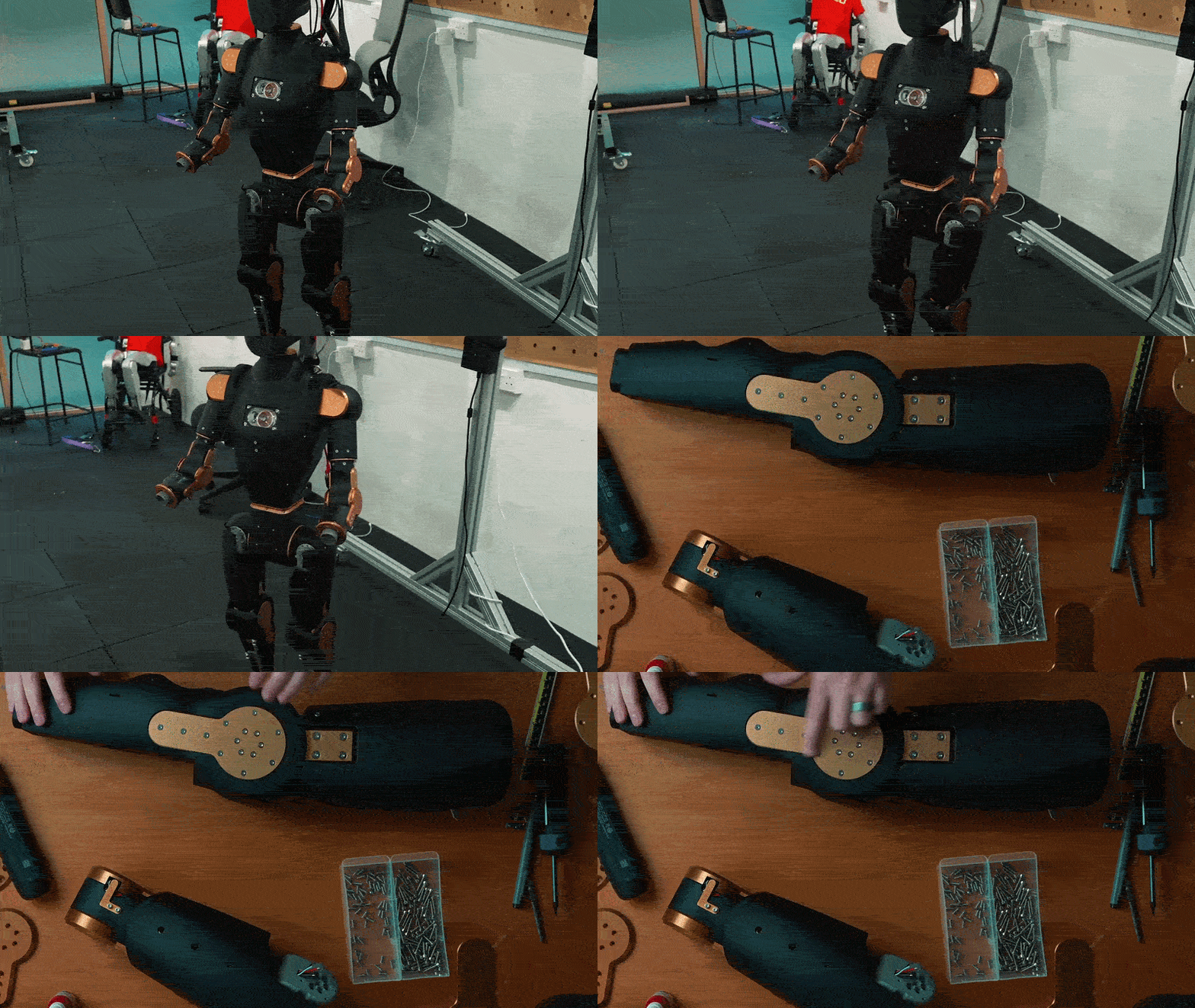
Think of it as the Raspberry Pi moment for physical AI: the price drops, the community builds, and the use cases multiply in directions no single company could have planned.
My Take: I expect developers and content creators to jump on this initial prototype, though it will take time before it becomes genuinely useful, since the lack of training data is the real constraint. The irony worth noting is that open-source means there's nothing stopping anyone from removing Asimov's ethical constraints. Turns out the three laws of robotics were always just a README file.
#DreamInterfaces
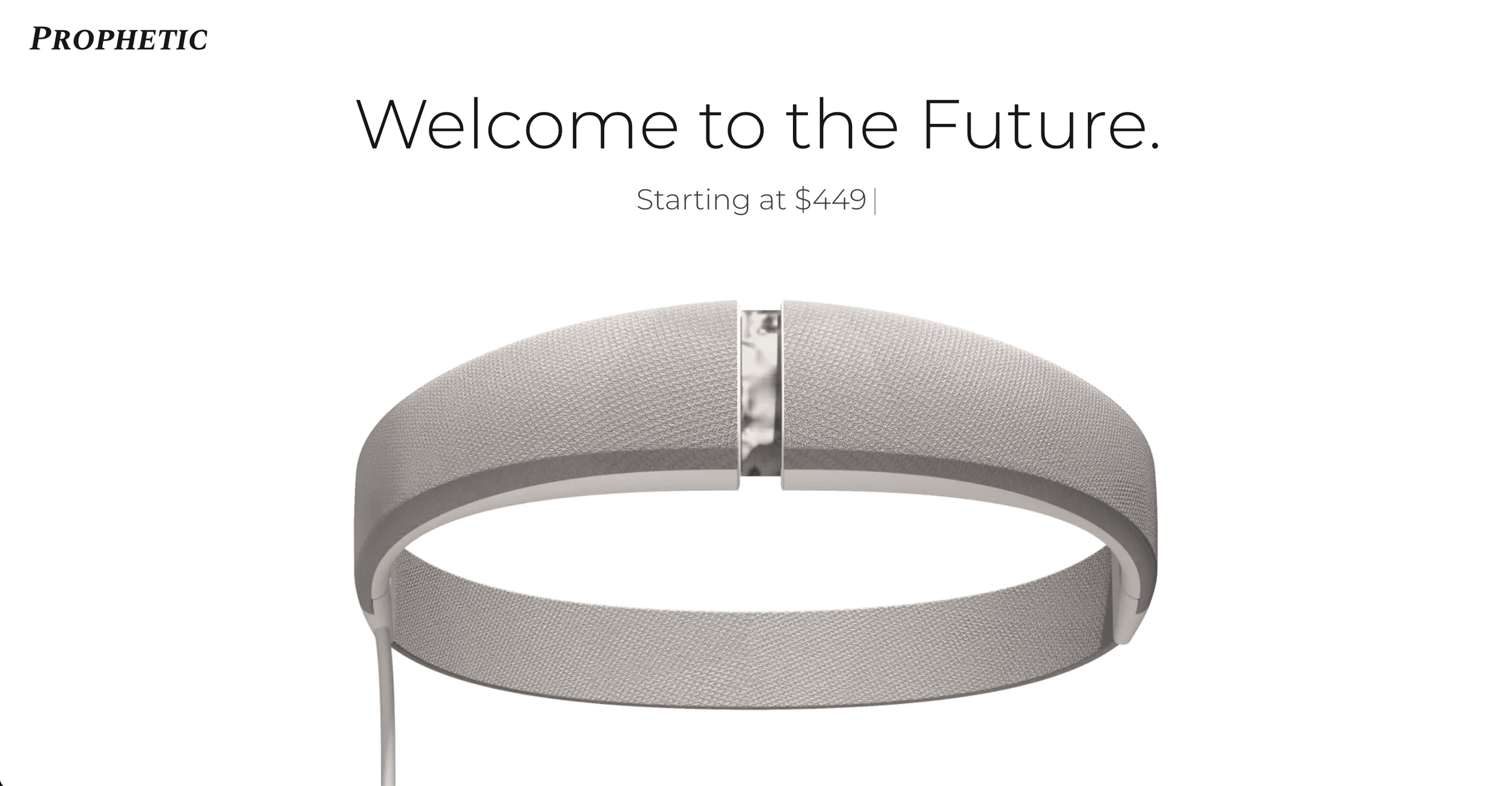
Signal 11: Prophetic wants AI to interact with you while you sleep
from Prophetic
Prophetic is building a wearable headband that uses low-intensity ultrasonic pulses aimed at the prefrontal cortex to induce lucid dreaming. The entry model, Prophetic Dual, launches at $449 later this year, and the more capable Prophetic Phase, which allows spatial control of the ultrasound for greater precision, ships in 2027 at $1,299.
The company claims this represents a 100x cost reduction over comparable research-grade ultrasound systems, and early data shows measurable improvements in dream recall, vividness, and the user's ability to make deliberate decisions inside a dream.
My Take: Every other signal on this list involves AI competing for your waking attention. Prophetic is going after the other eight hours. If the ambient AI trend is about reducing friction between intention and action, Prophetic is eliminating the conscious user entirely and going straight for the subconscious, and whether or not this specific product succeeds, it marks the logical endpoint of the ambient trajectory: a system that doesn't wait for you to engage it. The interface of the future might not have an interface at all.
What to do with these 11 signals
Signals aren't predictions, and I'm not going to tell you which of these will define 2030, because nobody knows that, and anyone who claims otherwise is selling something.
What signals do is sharpen your peripheral vision. They give you specific, concrete inputs to bring into strategy sessions, product critiques, and design workshops instead of vague gestures at "the AI future." As a strategist, I use them to inform new UX or product strategies, as provocations for brainstorming, or simply as raw material to accumulate until patterns become visible.
Taken together, these eleven points are in the same direction: the human-to-AI interaction layer is shifting from deliberate text input toward ambient, multimodal, and increasingly invisible input. Prompting is giving way to pointing, whispering, and, with Prophetic, sleeping. That shift creates a massive design problem. Who decides what "ambient" means when it reaches your bathroom mirror, your subvocalizations, and your prefrontal cortex? Those are experience design decisions, and they require designers who think strategically, not just visually.
If you want to learn how to turn signals like these into creative inputs for strategy work, that's exactly what I teach. And if you want more articles like this delivered to your inbox every two weeks, get the Fountain Institute newsletter here.
Learn More about Designing with AI
Read 7 Signs the UI has been Vibe Coded to learn about AI tells in UX/UI Design
Read The Double Diamond Meets AI to learn how AI can change your design process
Watch Strategy as the Human Layer to learn how to build a strategic mindset with AI
What signals are you watching? Drop them in the comments.