Generative Research in Co-Creation Workshops
Go beyond what users “say” and “do” to uncover deeper desires that they “make” in co-design sessions
The rise of whiteboard tools like Miro is doing something exciting in the field of design. It's creating a resurgence in participatory workshops where anyone can take part in the design process. Today we want to focus on a particular kind of participatory workshop that you can run with your users: Generative Research Co-Creation Workshop
What are Generative Research Workshops?
Generative Research Workshops are co-creation sessions with users that uncover unmet needs and dreams by inviting users to communicate conceptually by making things.
Generative research methods invite participants into the process and use visual and symbolic tools to learn about the participants.
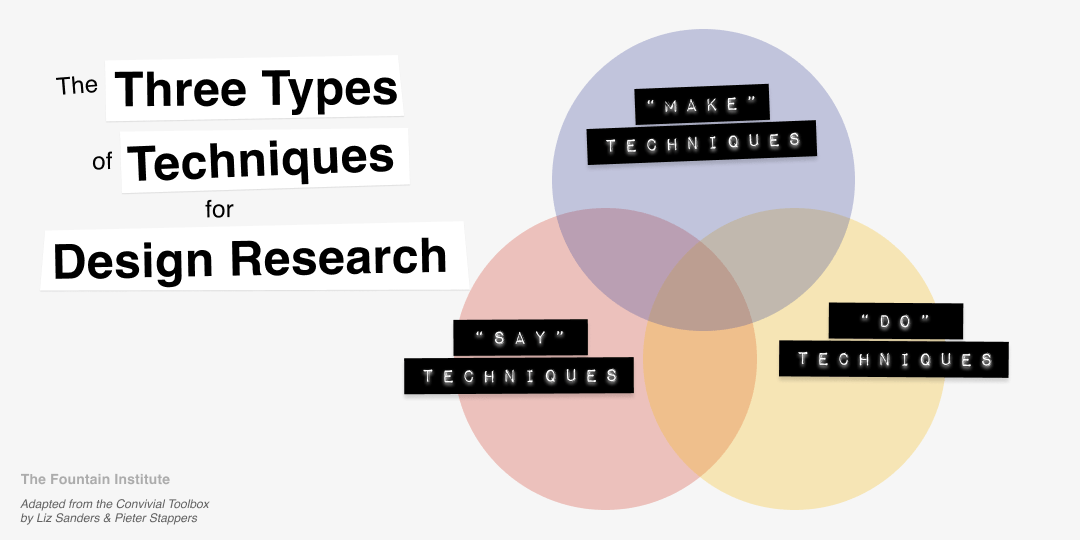
Generative Design Research brings a third element into the "say" and "do" techniques of design research…the “make.” Generative methods invite users to co-create together, and the resulting artifacts help researchers understand users in new ways.
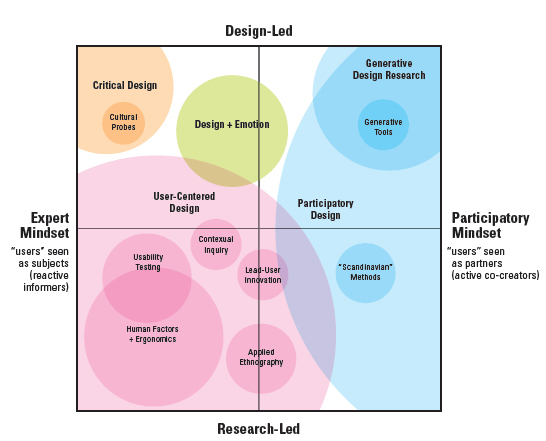
[An Evolving Map of Design Practice and Design Research by Liz Sanders]
Pioneered in the 1970s by labor unions in Scandinavia, Generative Design Research is different than regular design research in that it's participant-led, not expert-led.
Personally, I think the world could do with more participation...and fewer experts.
How do I do Generative Design Research?
For example, if you're a design researcher, you could invite users into a workshop where they use images to make a collage that represents their deeper feelings on an issue.
Creative activities allow users to express themselves in ways that go deeper than words, behaviors, and opinions.
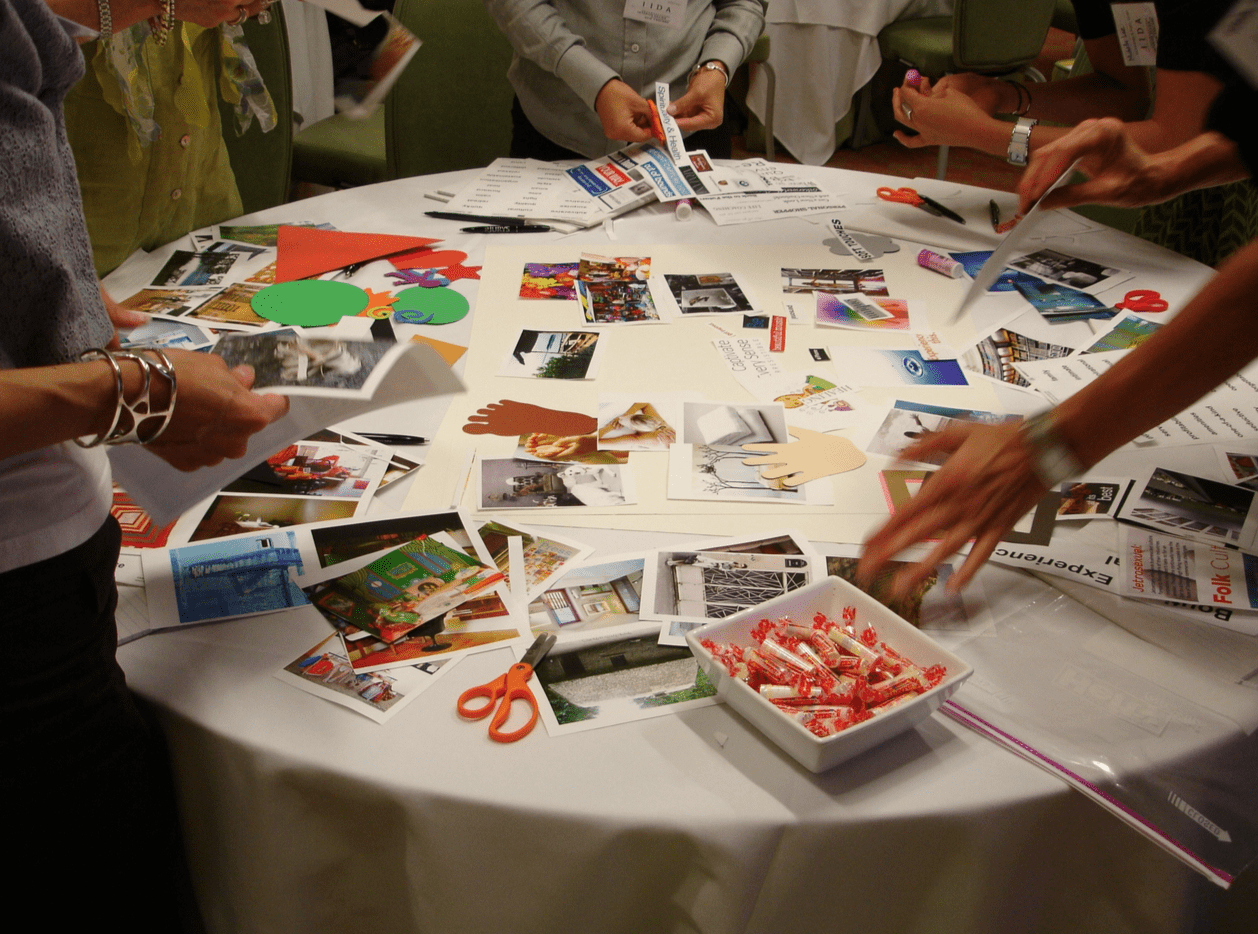
[A collage workshop given by Liz Sanders]
Making is a powerful way to dive deeper into users' feelings and dreams. This hidden domain of your users can help your team explore bold, new opportunities using the unmet dreams of your users.
Generative research co-creation sessions are the perfect way to involve users in your design process.
Generative workshops are fun events that will recharge your relationship with users, rather than drain them with boring surveys and usability tests.
When should I use Generative Design Research?
Generative Research is perfect for the beginning of projects. It's really more of a pre-research activity. This type of research can be the initial spark for a project, even before any formulated problem…making generative research sessions the perfect “brief-building activity.”
Generative research workshops are great activities at uncovering user emotions when little data on user sentiment exists. Talking and observing users helps you uncover behaviors and attitudes, but there is more to humans than that.
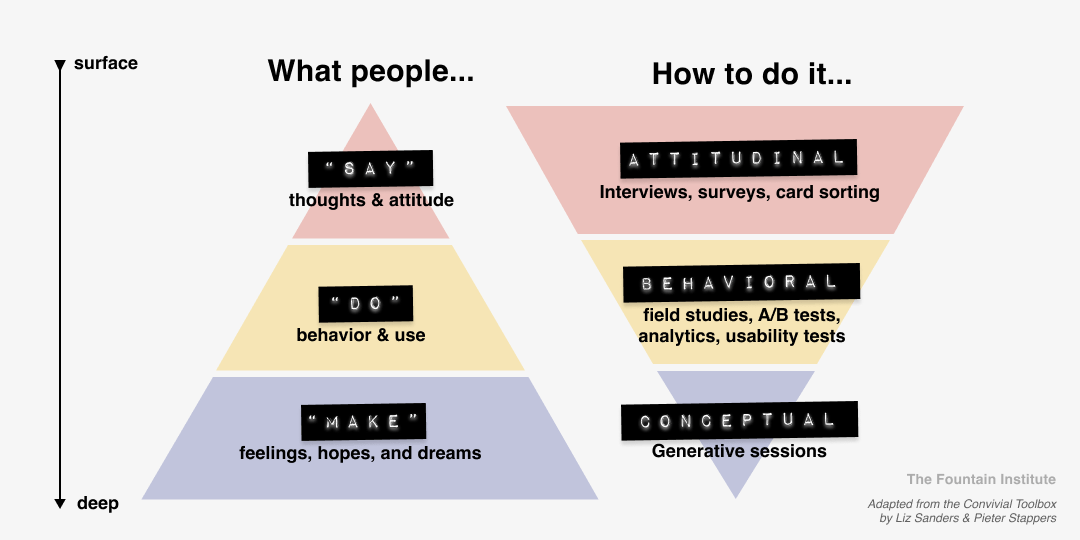
Since "make" techniques get at unmet hopes and dreams, they are excellent at bringing completely new ideas to the surface.
Don't be afraid to use say, do, and make all in one project. Generative research methods can be used anytime in the design process, but it’s particularly effective at the beginning.
A Possible Research Project Rundown
Generative Research: Run a co-creation workshop to uncover hidden user dreams
Attitudinal Research: Conduct qualitative user interviews to dive deeper and understand the nuances and context behind the generative concepts that emerge in the workshop
Design Prototypes: Create concepts inspired by your research
Behavioral Research: Design experiments from the concepts and generate behavioral quant. data to confirm your approach
Once you get some inspiration from making with your users, your project will be infused with user-generated creativity.
Generative Design Research is a powerful way to help users articulate their experiences through visuals and metaphors. Use it wisely.
Learn More
Learn everything you need to know about Generative Research in the book, Convivial Toolbox: Generative Research for the Front End of Design by Liz Sanders and Pieter Stappers
Read a firsthand account from a research participant of a generative workshop by Jeffrey Chou
Read about a Generative Workshop on the Future of Design Education from the University of Michigan
Get Generative Research Methods and Case Studies at Make Tools by Liz Sanders
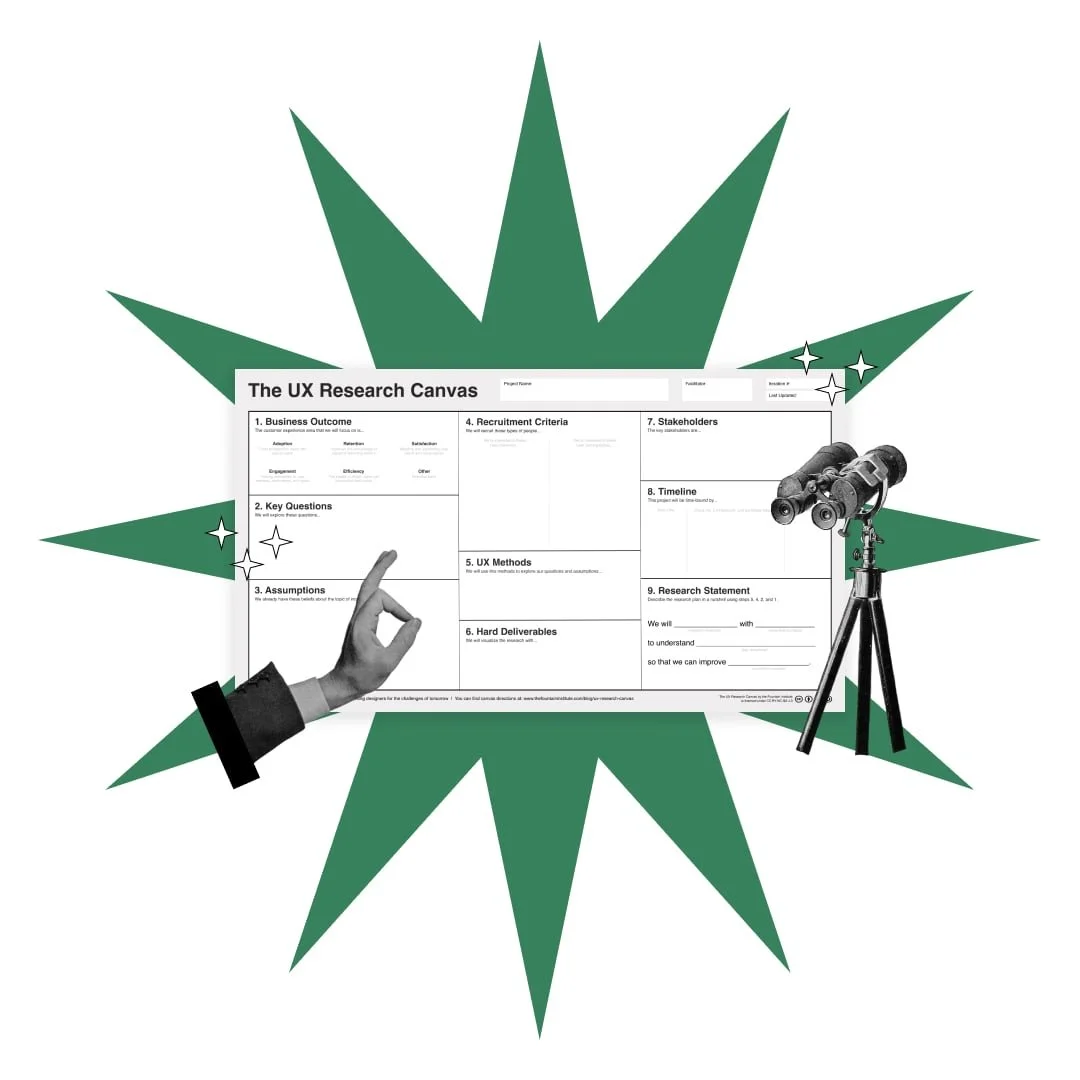
Plan UX Research Like a Pro
Discover the essential elements of any UX research project with this canvas.